

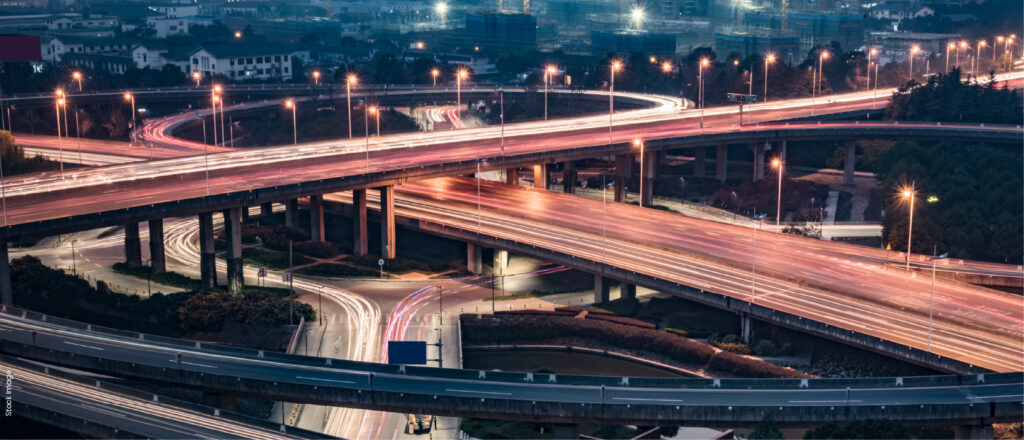
Cities don’t transform overnight. They change gradually through roads that shorten distances, trains that save time, and neighbourhoods that begin to feel easier to live in.
In Mumbai, this evolution is most visible across the western suburbs.
What was once considered “far” or “upcoming” has steadily become well-connected. And as infrastructure improves, the value of residential projects in Mumbai is rising not sharply or speculatively, but in a way that feels earned.
This growth isn’t driven by announcements alone. It’s driven by everyday life becoming simpler.
Infrastructure Changes How People Experience the City
For most homebuyers, infrastructure is not about blueprints or master plans.
It’s about time.
- Time saved on daily commutes
- Time spent with family instead of traffic
- Time gained for rest, routine, and balance
As metro lines expand, arterial roads widen, and last-mile connectivity improves, people begin to experience the city differently. Areas that once felt stretched now feel accessible and this shift directly impacts how new residential projects in Mumbai are perceived and valued.
Developers who have been active in these neighbourhoods for years, such as Gurukrupa Group, have witnessed this change closely. Not as a trend, but as a lived reality reflected in buyer behaviour and everyday routines.
Why the Western Suburbs Are at the Centre of This Change
The western suburbs have always had a strong residential character.
They offered:
- Established communities
- Schools, hospitals, and social infrastructure
- Familiar neighbourhood rhythms
What infrastructure growth has added is fluidity.
Metro corridors, improved road networks, and better civic planning have quietly stitched these suburbs closer to business districts and commercial hubs. As a result, new residential projects in Mumbai’s western suburbs are no longer compromises; they are considered practical choices.
This is why developers with a long-standing presence in these areas have continued to build here, aligning new homes with neighbourhoods that already function well.
When Connectivity Turns Location into Livability
Earlier, location was measured by distance. Today, it’s measured by ease.
Infrastructure growth has changed the meaning of “well-located”:
- Commutes are more predictable
- Dependence on private vehicles reduces
- Access to work, education, and healthcare improves
- Daily routines feel less rushed
This shift has strengthened the appeal of residential projects in Mumbai that are integrated into transport networks, particularly in the western suburbs, where infrastructure upgrades have been steady and visible.
Projects planned with this context in mind tend to age better, because they respond to how people actually move through the city.
Infrastructure Brings Stability, Not Just Appreciation
One of the most understated effects of infrastructure growth is stability.
Well-connected neighbourhoods don’t just appreciate; they hold their value with greater consistency.
Buyers exploring new residential projects in Mumbai increasingly look beyond launch prices and focus on:
- Metro accessibility
- Road connectivity
- Civic reliability
- Established neighbourhood ecosystems
Homes in such areas are easier to live in, easier to rent, and easier to return to. Over time, this reliability becomes more meaningful than rapid, short-term gains.
This is also why experienced developers tend to favour neighbourhoods where infrastructure is already catching up rather than betting on distant promises.
How Infrastructure Shapes the Homes Being Built
As the western suburbs evolve, so do buyer expectations.
Infrastructure growth has encouraged a shift in residential planning:
- Homes designed for working professionals
- Layouts that accommodate hybrid work
- Amenities that support daily routines, not just leisure
- Projects placed within functioning neighbourhoods
Many new residential projects in Mumbai’s western suburbs now reflect this maturity, focusing less on spectacle and more on long-term usability. Developers like Gurukrupa, who have consistently built in these areas, have adapted their planning to match this changing rhythm of life.
From Peripheral to Preferred
There was a time when parts of the western suburbs were seen as secondary options.
Infrastructure has quietly rewritten that narrative.
Improved connectivity has turned these neighbourhoods into places that offer:
- Better air and breathing space
- Stronger community living
- Easier access to work hubs
- A calmer pace without isolation
This is why demand for residential projects in Mumbai continues to shift westward, not because these areas are new, but because they now work better.
Long-Term Value Is Built on Everyday Ease
True real estate value doesn’t come from announcements. It comes from habits.
When families settle into neighbourhoods where:
- Commutes are manageable
- Schools and healthcare are close
- Roads, transport, and utilities function reliably
…value grows naturally, over time.
Infrastructure ensures that new residential projects in Mumbai don’t just launch well, they live well. And developers who align with this philosophy tend to create homes that remain relevant long after possession.
Conclusion
Infrastructure does not simply build cities; it transforms the way people live in cities.
The western suburbs of Mumbai have been steadily growing to transform everyday life and increase the value of residential projects. New projects do not succeed due to the novelty but because they provide usability, connectivity, and confidence.
The developers who mature with this infrastructure silently fit in, plan, and respect the neighborhood rhythms, naturally gaining the trust of buyers in the long run.
Value comes when infrastructure sustains everyday life.