

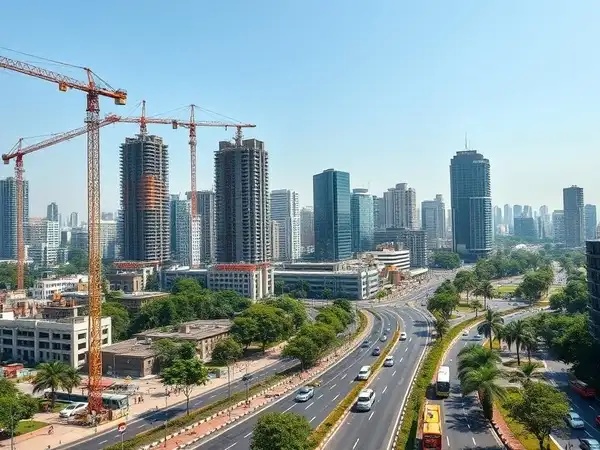
Older residential buildings often reach a stage where basic maintenance is no longer enough. Aging structures face continuous leakages, high repair bills, and real structural safety concerns.
Redevelopment offers a clear, long-term solution. It allows members to upgrade to larger, newly built homes equipped with dedicated parking, elevators, and modern fire safety systems.
Understanding how the process works removes confusion. This guide explains every major step in clear, simple terms so your society can move forward with confidence.
Why Housing Societies Choose Redevelopment
Older residential buildings eventually reach a point where daily upkeep becomes too expensive and ineffective. Understanding the broader impact of redevelopment on Mumbai highlights how older societies upgrade to modern living without relocating away from their neighborhoods, solving deep structural problems while elevating daily living standards for every resident.
- Constant Leakages and Rising Repair Costs: Decades of monsoon rains weaken concrete pillars and damage plumbing lines. Major repair drives quickly drain society funds without permanently fixing persistent water seepage or peeling walls.
- Absence of Modern Amenities: Older layouts rarely include modern conveniences that families rely on today. Redevelopment replaces stairs with high-speed elevators, adds dedicated parking slots, and installs up-to-date fire safety systems.
- Extra Living Space for Growing Families: Modern building regulations allow developers to make smarter use of existing land plots. This extra floor space gives original members brand-new homes with larger carpet areas and functional room layouts.
Key Steps in the Redevelopment Process
Redevelopment follows a structured journey from the initial resident meeting to the day you collect your new house keys. Breaking this path into clear milestones helps every society member stay informed and confident.
Member Consent and Planning
The journey begins inside the society itself. Members gather in a formal general meeting to discuss whether redevelopment is needed. The society appoints an independent project advisor to study the plot, calculate potential benefits, and guide the committee through legal rules. Moving forward requires the formal written consent of the majority of homeowners as mandated by cooperative housing laws.
Selecting the Right Builder
Once planning is clear, the society invites development bids through a transparent tender process. Knowing how to choose the right builder for your redevelopment project ensures your committee inspects completed sites, reviews financial health, and checks past delivery track records before voting on the final choice.
Signing the Legal Agreement
After picking the developer, both parties create a detailed Development Agreement. This registered document turns verbal discussions into enforceable legal commitments. It specifies the exact carpet area of your new apartment, monthly rent amounts for temporary accommodation, construction milestones, handover deadlines, and bank guarantees provided by the builder.
Vacating and Construction
With agreements signed and municipal permissions secured, families prepare to move. The builder starts paying the agreed monthly transit rent and shifting allowances to help members secure temporary rental housing. Once all residents vacate their flats, the old building is safely brought down and construction of the new tower begins.
Getting the OC and Moving In
As construction nears completion, the builder applies for final clearances from local civic bodies. The most critical milestone is obtaining the Occupancy Certificate, which confirms the new building satisfies all municipal structural and fire safety codes. Once this certificate is issued, the developer hands over the keys, and families move back into their brand-new homes.
Essential Protections Every Society Member Needs
Redevelopment should improve your quality of life without creating financial stress or legal uncertainty. Every housing society must insist on clear safeguards in the contract before vacating their homes.
- Timely Monthly Transit Rent: The builder must provide guaranteed monthly rent payments to cover your temporary housing costs until your new apartment is ready.
- Firm Bank Guarantees: A substantial bank guarantee from the developer protects society funds and ensures financial backing if construction runs into delays.
- MahaRERA Registration: Registering the project under MahaRERA establishes an official, legally enforceable possession date backed by regulatory penalties for missed deadlines.
- Occupancy Certificate Handover: Members should never re-enter the new building without an official Occupancy Certificate from local municipal authorities confirming full structural and fire safety.
Common Mistakes Societies Must Avoid
Making careful decisions during early planning protects your society from long delays and legal disputes.
- Chasing the Largest Area Offer: Picking a builder just for the highest carpet area offer is risky. If the developer lacks financial reserves, construction can stall halfway. Always verify financial strength before evaluating extra space.
- Relying on Unwritten Promises: Verbal commitments made during presentations have no legal standing. Rent amounts, material standards, and handover dates must be clearly written into the registered contract to remain enforceable.
- Accepting Premature Possession: Moving in simply because the building looks finished puts your home at risk. Never take possession without an official Occupancy Certificate from local authorities, or you risk utility cutoffs and safety hazards.
The Gurukrupa Group Assurance
Selecting the right development partner directly shapes your redevelopment experience. Proven reliability, legal discipline, and sustained financial strength are essential to bringing a project safely from initial plans to the final handover.
Over 32 Years of Regional Expertise
Navigating urban redevelopment across Mumbai requires deep practical experience. With over three decades of building in the region, our team understands civic regulations, municipal approval workflows, and community expectations, helping societies avoid administrative bottlenecks and unnecessary project delays.
Rock-Solid Financial Stability
A major concern for housing societies is work stopping due to developer cash shortages. Strong financial reserves ensure that site work progresses without interruption, construction timelines remain dependable, and society members receive their agreed monthly transit rent on time.
100% Occupancy Certificate Record
A new tower is truly ready only when it holds full legal clearance from civic authorities. Every completed development carries an official Occupancy Certificate, establishing Gurukrupa Group as a trusted residential developer in Mumbai that gives returning families confirmed safety, legal utility connections, and complete peace of mind.
Plan Your Society Future Securely
Redeveloping your housing society upgrades modern living standards and long-term property value. A successful outcome requires prioritizing proven builder credibility, clear registered paperwork, and complete legal safeguards from the start.
Partnering with a financially stable developer with verified municipal approvals protects members from construction delays and financial risks.
If your managing committee is considering redevelopment and wants straightforward guidance, reach out to Gurukrupa Group to take your next step with total confidence.